Best Retail Interior Design Ideas in Singapore (With Real Store Examples)
In retail, your space is doing a job long before a staff member says hello. It draws people in from the walkway, tells them what your brand is about, guides them to the products, and nudges them toward the till. Get the retail interior design right, and the store works for you all day. Get it wrong and even great products struggle to sell.
So whether you are fitting out a new shop or refreshing a tired one, here are the retail interior design ideas that make the biggest difference in Singapore, each shown through a real Renozone retail project. These are practical moves you can borrow for your own store.
1. Lead With a Storefront That Stops People
In a mall or on a busy street, you have a few seconds to catch a passerby. The storefront is where retail design earns its keep, through clear sightlines into the shop, strong signage, and a façade that signals exactly what kind of brand you are. An open, inviting entrance lowers the barrier to stepping inside, which is half the battle in high-footfall locations.
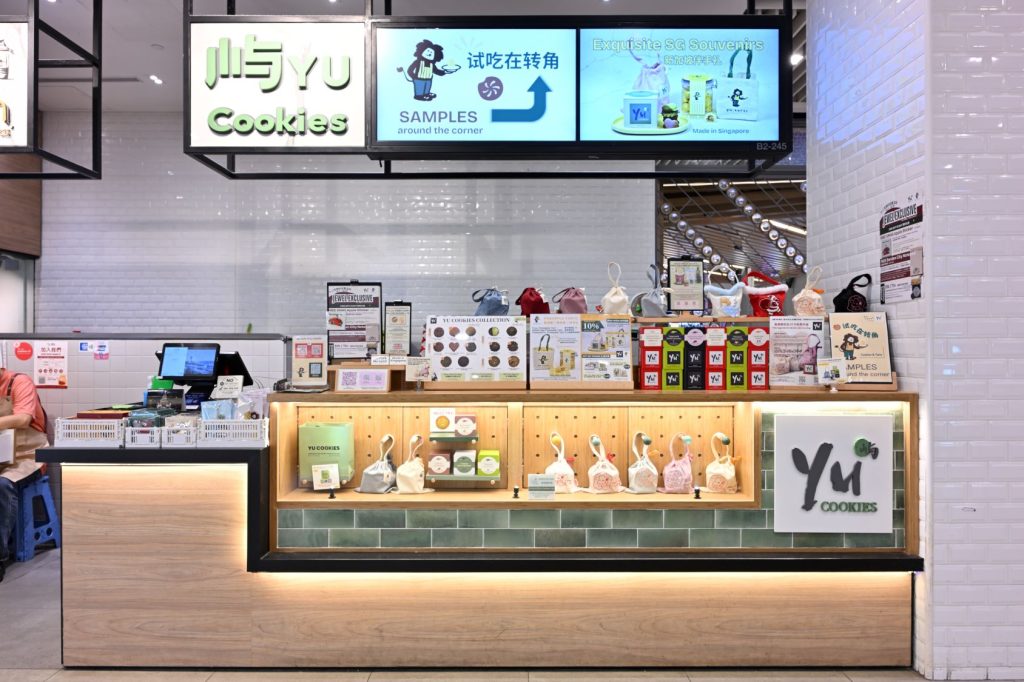
Yu Cookies @ Jewel Changi project shows how a well-designed storefront and counter can turn a compact unit into a magnet for shoppers passing through one of Singapore’s busiest spots. The display is front and centre, the branding is unmistakable, and the whole shopfront invites a closer look.
2. Build the Space Around a Hero Display
Every strong retail interior has a focal point, a spot the eye lands on first. Designing around a hero display, whether it is a central island, a feature counter, or a backlit product wall, gives customers a natural place to gravitate toward and sets the tone for the whole store. It also gives you a prime position to showcase bestsellers or seasonal ranges.
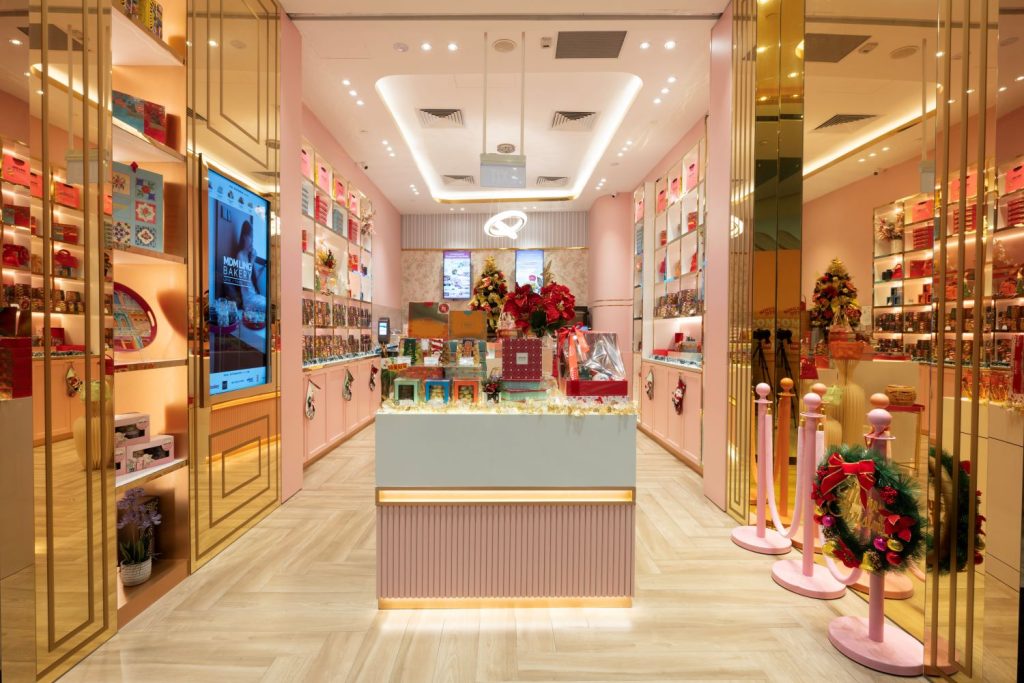
At Madam Ling Bakery @ Jewel Changi, a central display anchors the space and pulls customers into the heart of the shop, putting the products exactly where the attention naturally goes. It is a simple principle that makes a store feel intentional rather than cluttered.
3. Let Lighting Make the Products the Star
Lighting is one of the most underrated tools in retail design. The right scheme makes products look their best, creates atmosphere, and quietly directs customers around the space. A layered approach works well: ambient light for the overall mood, accent lighting to highlight key products, and task lighting where customers inspect or try items. Warm or cool tones can completely change how a product reads.
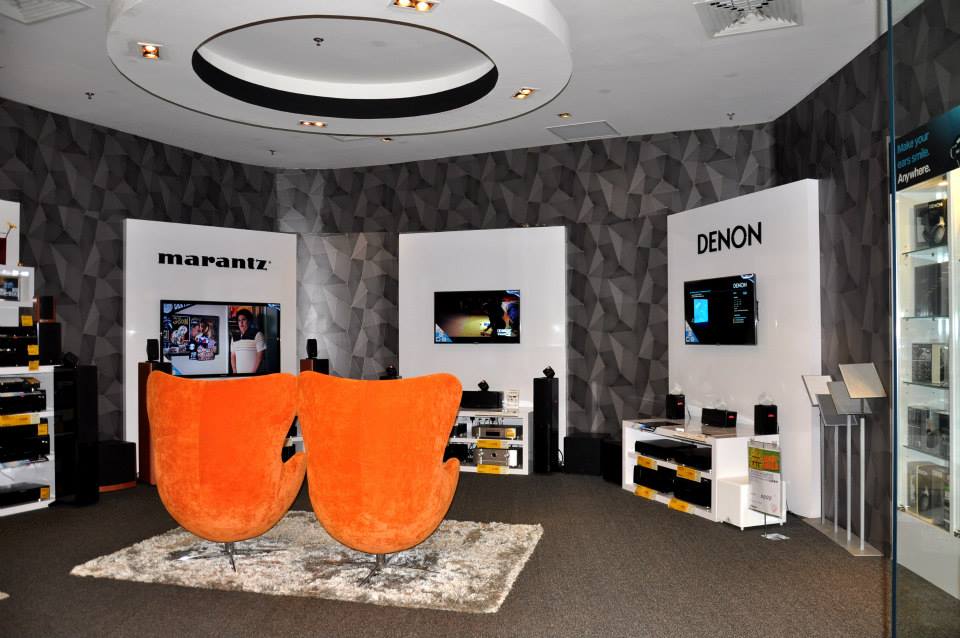
As you can see, the Denon & Marantz project uses clean shelving and focused lighting to present audio products like the premium pieces they are. Each item gets its moment, and the showcase feels considered rather than crowded. For any store selling a product where quality matters, lighting is where you prove it.
4. Create an Experiential Zone Customers Want to Try
Shoppers increasingly want to do more than look. Building a space where customers can test, sample, or experience the product turns a quick visit into a longer, more engaged one, and engaged customers buy more. A demo area, a tasting counter, or a comfortable try-before-you-buy zone gives people a reason to linger.
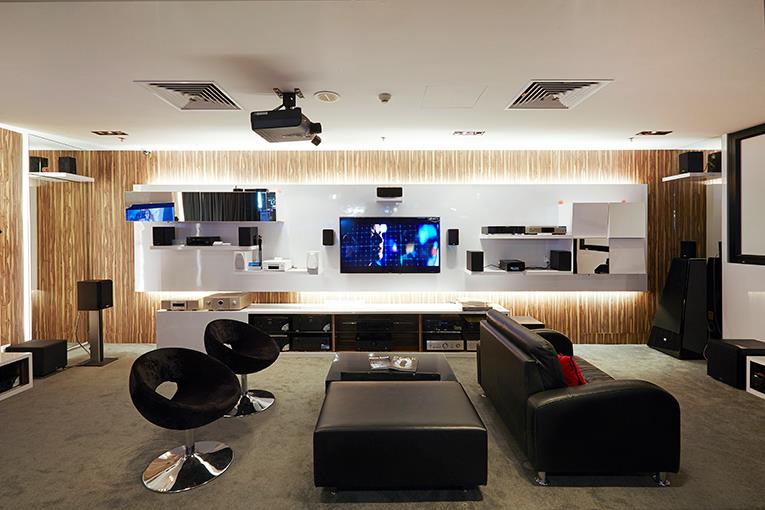
Our Denon Liang Court project includes a relaxed demo area with seating and mounted screens, so customers can settle in and actually experience the audio and visual quality before deciding. That hands-on moment does more to sell a premium product than any sign ever could.
5. Turn Your Branding Into the Interior
In a crowded retail scene, a store that looks like everyone else is forgettable. The strongest retail interiors bake the brand into the space itself, through signature colours, custom signage, and design details that could only belong to one brand. Done well, the interior becomes a backdrop that customers want to photograph and share, which is free marketing in a single shot.
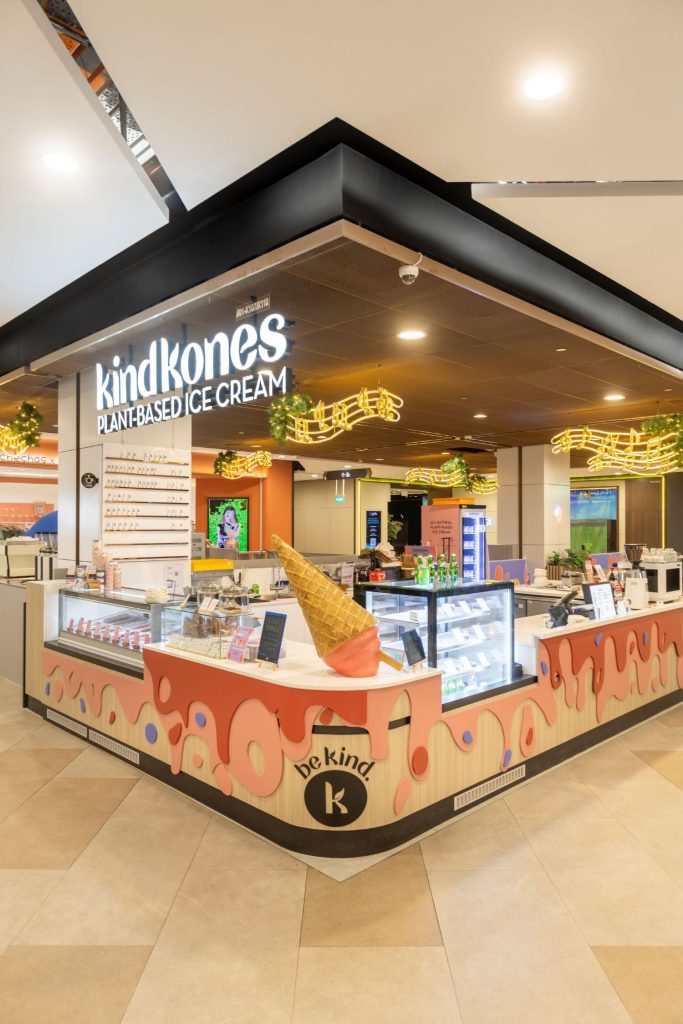
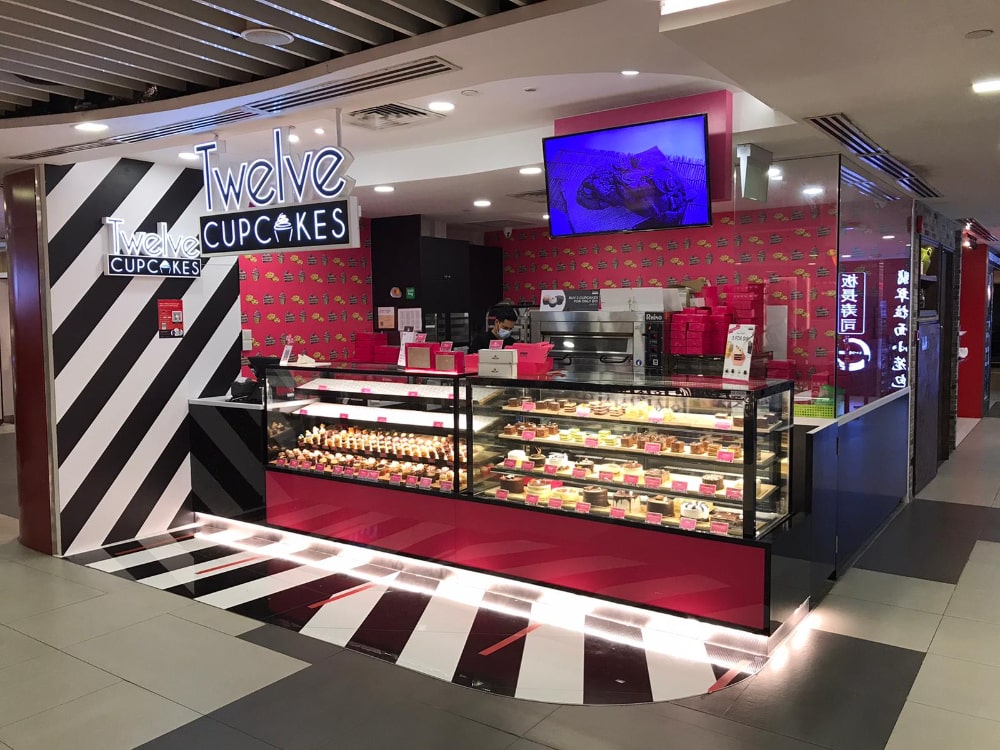
Brands like Kindkones and Twelve Cupcakes lean into playful, colourful, on-brand interiors that feel instantly recognisable and fun to be in. The look does the talking, and customers remember it. If your brand has personality, your store should show it.
6. Make the Layout and Flow Effortless
A beautiful store still fails if customers cannot move through it comfortably. Good retail design plans the journey, a clear path from entrance to products to checkout, with enough room to browse and natural stopping points along the way. The layout should feel easy, never cramped or confusing, and it should subtly lead customers past more of your range.
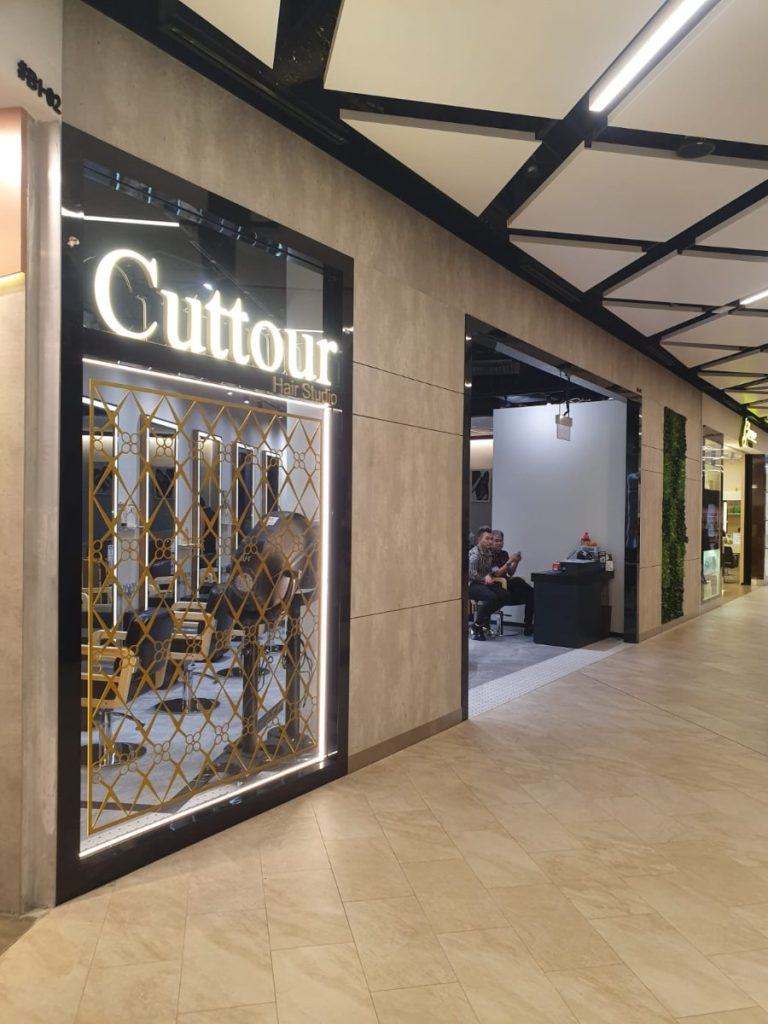
Our Cuttour Hair Studio @ Jewel project is a good example of a service-retail space planned around how people actually use it, balancing a welcoming front-of-house with a smooth, practical flow through the rest of the studio. When the layout works, customers stay relaxed, and staff work more efficiently.
7. Match the Materials to the Brand’s Worth
Materials send a message before a customer reads a single price tag. Premium finishes signal premium products, while warm, natural materials suggest craft and care. The trick is matching the material story to what you sell, so the space reinforces the value of the products rather than undercutting it. Quality surfaces, considered detailing, and a consistent palette all build trust.
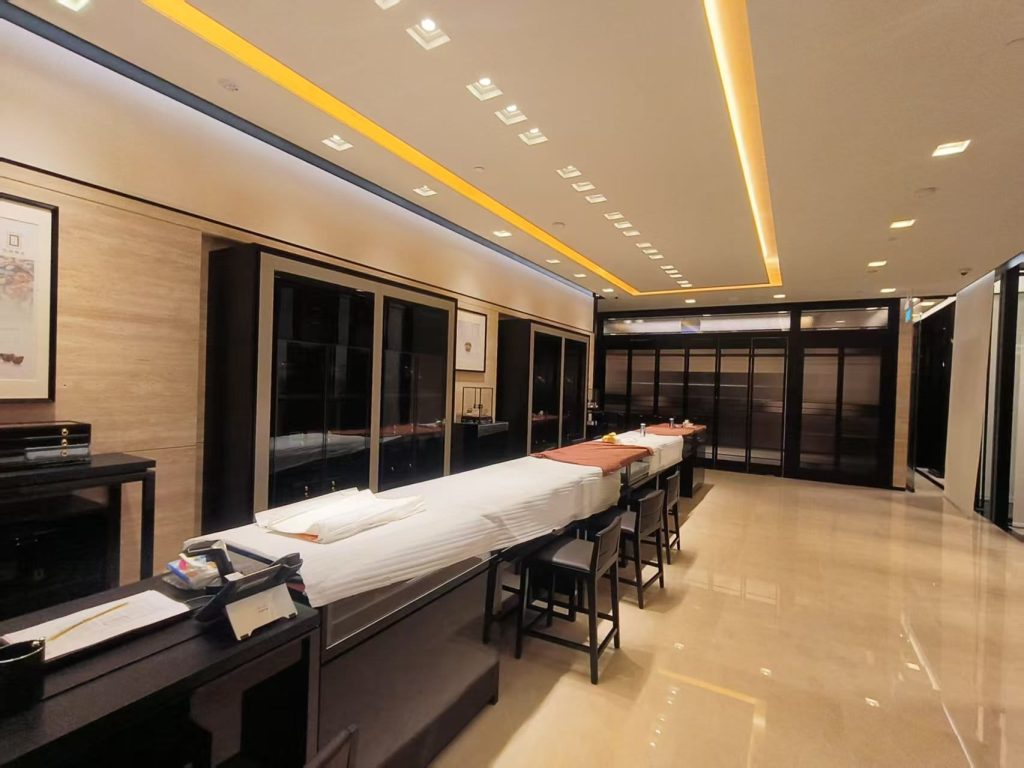
Our LaoPu Gold @ MBS flagship project shows how a refined material palette can elevate a luxury retail experience, creating a setting that feels as valuable as the products on display. In high-end retail, the space’s finish is part of the product.
Designing a Retail Space That Sells
The best retail interiors in Singapore rarely rely on a single trick. They combine a magnetic storefront, a clear focal point, smart lighting, strong branding, and an easy flow into one space that quietly does the selling. The right mix depends on what you sell and who you sell it to, which is exactly where experienced design makes the difference. Browse our commercial interior design portfolio for more retail projects, or speak to our commercial design team to start planning your store.
Frequently Asked Questions
What makes good retail interior design?
Good retail interior design attracts customers in, guides them naturally through the space, and showcases products in their best light. The strongest stores combine an inviting storefront, a clear focal point, considered lighting, on-brand styling, and an easy layout that leads shoppers toward the checkout.
How does interior design affect retail sales?
Interior design shapes how long customers stay, how easily they find products, and how a brand is perceived. A well-designed store encourages browsing, highlights key products, and creates a comfortable experience, all of which support higher sales and repeat visits.
What are the latest retail design trends in Singapore?
Current retail design trends in Singapore include biophilic touches like greenery and natural materials, experiential zones where customers can try products, bold branded interiors that are share-worthy, and flexible layouts that adapt to changing ranges and seasons.
How important is lighting in a retail store?
Lighting is one of the most important elements in retail design. A layered scheme of ambient, accent, and task lighting makes products look their best, sets the mood, and subtly directs customers around the store, which can have a real impact on what they notice and buy.
How long does a retail interior fit-out take in Singapore?
A retail fit-out timeline depends on the size and complexity of the store. A compact mall unit can be quicker, while a larger or more detailed flagship takes longer once design, approvals, and construction are factored in. Working with an experienced design-and-build team helps keep the process on schedule.
How much does retail interior design cost in Singapore?
Retail interior design and fit-out in Singapore typically ranges from around S$80 to S$250 per square foot, depending on store size, material quality, and how custom the build is. As a rough guide, a compact ~500 sq ft mall unit often lands between S$40,000 and S$125,000, while prime-location or luxury flagships cost higher still.
Est. Since 1998
Renozone Interior Design
Renozone Interior Design is one of Singapore's reputable interior design companies since 1998. With our well-tested professional capabilities, client-oriented service, and attention to detail, we ensure our client needs are fulfilled and met beyond their expectations. Our extensive portfolio comprises high-profile projects in both residential (HDB, condo, landed properties) and commercial interior designs.
Services We Provide:
Accreditations
Trusted By Clients








Accreditations
Trusted By Clients